Adhesive in Labeling
Labeling is one of the most critical stages in the packaging industry. From beverages and food products to pharmaceuticals and health products, all require labels for identification and branding. In this process, the use of hot-melt adhesive is widespread due to its high speed and precision.
However, a common problem in Iran and even some other countries is the application of multiple adhesive layers during the labeling process. Many operators or technical managers apply an excessive amount of adhesive to ensure better adhesion. At first glance, this seems logical, as the assumption is that more glue equals a stronger bond. In practice, however, using multiple adhesive layers leads to a reduction in quality and a host of other issues.
This article provides a comprehensive review of the problems resulting from excessive or multi-layer adhesive consumption in labeling.
1. Causing the De-grip Phenomenon (Label Detachment)
- Contrary to popular belief, excessive adhesive consumption does not increase the bonding strength.
- When multiple layers of adhesive are applied to the surface, the actual contact area with the label decreases.
- Consequently, instead of increasing strength, the label detaches from the surface over time, leading to the De-grip phenomenon.
2. Visual Defects
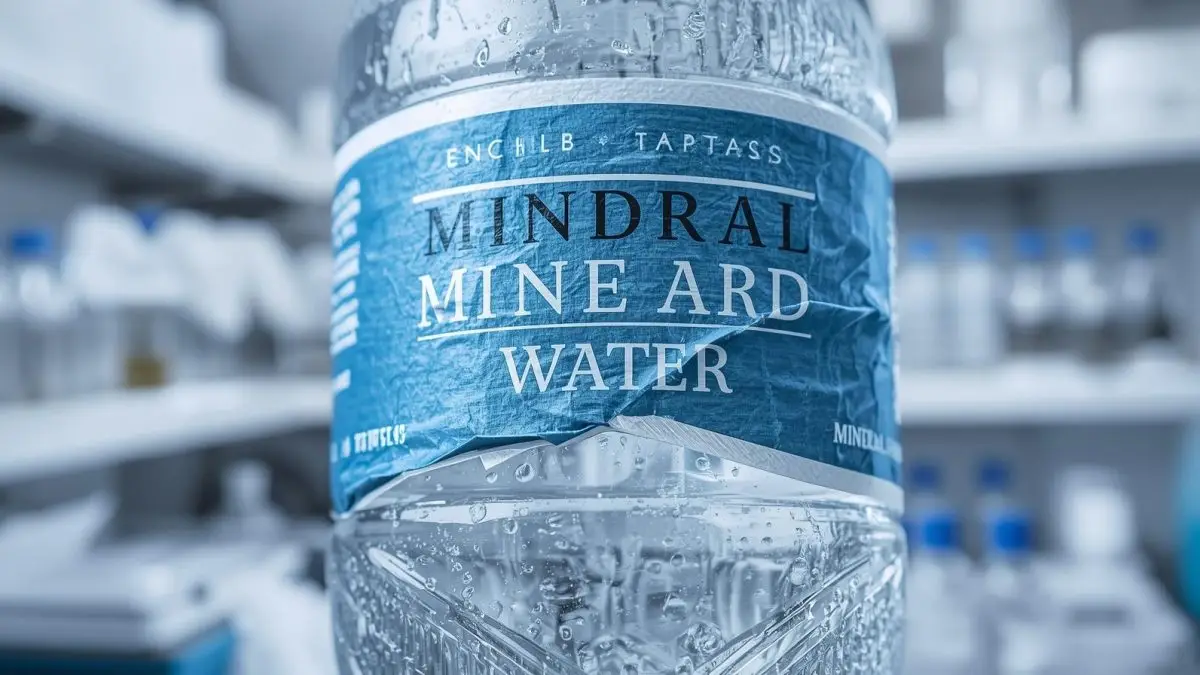
- The presence of extra adhesive causes bulges or air bubbles to form under the label.
- The labels appear unprofessional, giving the product a poor aesthetic in a competitive market.
- In the food and pharmaceutical industries, where package appearance is crucial, this can significantly reduce customer trust.

3. Increased Adhesive Consumption and Costs
- Excessive adhesive use directly increases production costs.
- Machines require refilling more quickly, and line productivity decreases.
- Hidden Costs, including production downtime, rework, and end-customer dissatisfaction, are also added.
4. Clogging and Equipment Damage
- Excess adhesive spills into areas of the machine where it shouldn’t be.
- Clogging of nozzles and valves is the most common problem in this situation.
- In the long term, this reduces the lifespan of the Hot Melt Unit and increases repair costs.

5. Alteration of Label Physical Properties
- When too much adhesive is placed under the label, it can become hard and brittle over time.
- This issue is exacerbated at high or low temperatures, leading to cracking or complete label detachment.
6. Reduction in Production Line Speed
- Excess adhesive increases the time required for cooling and setting (Set Time).
- The machine must run slower for the label to adhere properly.
- In high-speed lines, such as beverage packaging, this is unacceptable.

7. Risk of Contamination and Hygiene Issues
- In the food and pharmaceutical industries, excess adhesive may squeeze out from the edges of the label.
- This can lead to packaging contamination.
- Compliance with hygiene standards is compromised, increasing the likelihood of product returns.

Solutions for Preventing Multi-Layer Adhesive Consumption
1. Precise Machine Adjustment
- Using units equipped with accurate temperature and pressure control.
- Adjusting the injection volume to match the type of label and substrate.
2. Selecting the Right Adhesive
- Choosing the adhesive based on its TDS (Technical Data Sheet) and industry requirements.
- Using adhesives with appropriate Open Time and Set Time.
3. Operator Training
- Familiarizing operators with the negative effects of excessive adhesive use.
- Providing practical operating procedures for each production line.
4. Using Standard Nozzles
- Precisely designed nozzles ensure the adhesive is applied uniformly.
- They prevent glue build-up in one spot and eliminate the need for extra application.

Global Industry Experience
In many advanced countries, the use of multi-layer adhesive is recognized as a technical error. Major beverage and food producers, such as Coca-Cola and Nestlé, have moved towards using:
- Low-Temperature Hot Melt adhesives
- Smart Glue Systems with automated injection control
to reduce adhesive consumption and prevent De-grip.

Conclusion
Using multiple layers of adhesive in labeling does not improve product quality; rather, it leads to serious problems such as:
- Label detachment (De-grip)
- Increased costs
- Equipment breakdown
- Visual and hygiene issues
The solution lies in selecting the right adhesive, precise machine adjustment, operator training, and adopting modern technologies. By implementing these measures, packaging industries can elevate their labeling quality and reduce hidden costs.
“Thank you for reading our article. We are more than happy to assist you with any inquiries or further information you may need. Feel free to reach out to us – we are always here to help!”